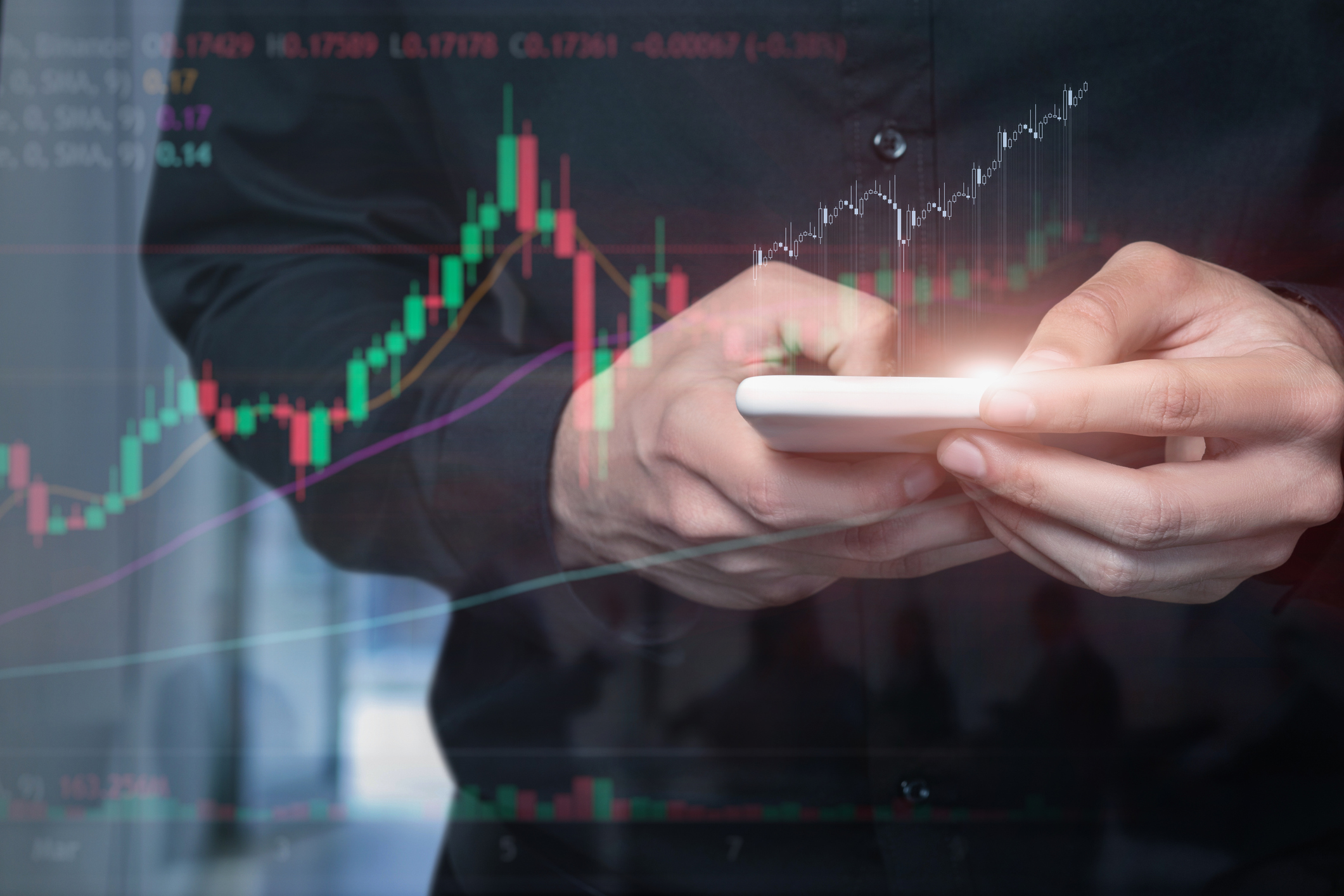

You’ve probably noticed how stress warps your trading decisions—meditation thickens gray matter in brain regions regulating emotions, cutting cortisol by 20% during volatile sessions. Basic techniques like 4-6 breathing steady heart rates, while body scans dissolve tension that blurs focus on technical signals. Studies show mindful traders execute 30% fewer revenge trades and stick to strategies 82% more consistently. Imagine trading with this clarity—but how do you anchor these habits when markets spin chaos?
The Science of Mindfulness in Trading Performance
While you might think meditation belongs in yoga studios, neuroscience proves it’s a breakthrough for traders. Mindfulness thickens gray matter in brain regions controlling emotional regulation—critical when markets swing wildly.
Imagine cortisol spikes triggering impulsive trades; studies show meditation slashes stress hormones by 20%, giving you cooler judgment under pressure. Researchers found traders who meditated stuck to their strategies 15% more often, thanks to sharper focus and fewer knee-jerk reactions.
Open Monitoring Meditation (OMM) trains your brain to adapt faster, letting you pivot when trends reverse without panic. Even 10 daily minutes cut anxiety by 14%, clearing mental fog during high-stakes decisions.
Your brain isn’t static—it rewires with practice. Meditation isn’t just calming; it’s a performance enhancer hiding in plain sight.
Foundational Meditation Techniques for Traders
If you’re ready to turn neuroscience into actionable habits, these five meditation techniques slot into trading’s unrelenting rhythm without slowing you down. Start with deep breathing: inhale for four seconds, exhale for six, repeated to lower cortisol when markets spike.
Practice a 10-minute body scan daily to spot tension in your shoulders or jaw—common side effects of screen-staring.
Use mindfulness-based stress reduction (MBSR) to notice frustration after a losing trade without acting on it, curbing impulsive revenge trades.
Before markets open, visualize executing your plan flawlessly, reinforcing discipline when prices swing.
Finally, try five minutes of focused-attention meditation—counting breaths—to sharpen concentration amid distractions like news alerts. These methods build mental stamina, letting you trade deliberately, not reactively.
Mindful Trading Strategies for Market Volatility
You’ll anchor yourself in market chaos by practicing breath awareness during rapid price swings—just two minutes slows cortisol spikes and stabilizes your pulse.
Body scans before sessions dissolve shoulder tension, sharpening your focus on candle patterns instead of emotional noise.
Stay objective when fear hits: name the impulse, then stick to your stop-loss like it’s a flight checklist.
Calm Amid Market Swings
Maintain composure during volatile markets by anchoring in breath awareness—inhale for four counts, exhale for six to steady trembling hands racing between trades. This practice cuts stress symptoms like sweaty palms, grounding you when charts whip unpredictably.
Pair it with a five-minute body scan before logging on: release tension in your shoulders and jaw, common pressure points that cloud judgment during choppy sessions.
Accept price swings without labeling them “good” or “bad”—studies show traders who observe emotions non-judgmentally slash revenge trades by 30%.
Schedule ten-minute mindful breaks hourly; funded accounts using this tactic stick to their plans 82% of the time.
Ask “What’s the market doing *now*?” during spikes to redirect focus from past losses (a 40% reduction for daily practitioners). Volatility tests resolve; mindfulness keeps yours unshaken.
Focus During Price Fluctuations
While price charts zigzag like lightning, your breath can become the lightning rod that grounds impulsive reactions. Use deep nasal inhalations during rapid price swings, syncing each slow exhale with the market’s rhythm—this anchors focus and prevents stress-driven trades that derail strategy.
Ask “What’s the market doing now?” to observe volatility objectively, sidestepping partiality that clouds judgment.
When price action turns chaotic, step back for five minutes: reset mentally rather than forcing decisions through mental overload.
You’ll notice urges to chase pumps or dump dips—name those emotions (“fear,” “greed”) as passing thoughts, not commands.
Stay pinned to the present by analyzing real-time candle patterns, not replaying yesterday’s loss or tomorrow’s fantasy.
Volatility demands flexibility; mindfulness trains you to bend without breaking.
Emotional Regulation Through Breath and Body Awareness
When markets turn volatile, you can’t control the headlines, but you *can* steady your nerves with a tactical breath—inhale deeply through your nose, exhale slowly through pursed lips. This simple act lowers stress hormones, drying sweaty palms before you execute trades.
Try a five-minute body scan pre-session: start at your scalp, inch down to your toes, and release trapped tension in your jaw or shoulders. Notice how calm replaces jitters.
Mid-trade, pause for three focused breaths. It disrupts panic-driven impulses, letting logic override greed or fear.
If a position tanks, observe your ragged breaths without judgment—this neutrality defuses revenge-trading urges.
Spot stress early by scanning for clenching fists or shallow chest breaths. Your body telegraphs emotions first; catch them, reset, and trade sharper.
Cultivating Discipline With Daily Mindfulness Practices
Because discipline separates survivors from blowups in trading, weaving mindfulness into your routine sharpens that edge daily. Start with just 10 minutes of morning meditation—studies show this cuts impulsive trades by 30% as you train your mind to pause before reacting.
Pair it with a 5-minute pre-market body scan to reduce distractions by 40%, grounding your focus in the present moment. Each evening, spend 15 minutes visualizing yourself executing flawless risk management, reinforcing neural pathways for disciplined decisions.
Journaling progress nightly doubles your odds of sticking to trading plans long-term by making small wins tangible.
Set concrete goals like three breathing exercises daily—traders who do this enhance discipline by 25% in two months. Consistency turns these micro-practices into unshakable habits.
Tools and Resources for Sustaining Mindful Trading Habits
You can sharpen mental clarity with structured mindfulness coaching programs like Udemy’s “Mindfulness for Traders,” which blends breathwork and visualization drills for market volatility.
Daily habit trackers, such as journals with 30-day mindfulness prompts, help you spot emotional patterns in trades.
Apps like Headspace offer “Focus” sessions to steady your mind before executing high-stakes decisions.
Mindfulness Training Programs
Emotional discipline converts trading from a gamble into a strategy, and structured mindfulness programs bridge that gap.
The 12-week Mindful Trading Program combines daily meditations with mental reframing exercises, simulating high-pressure trades to help you stay calm when markets swing.
Apps like Headspace offer bite-sized sessions designed for traders—try their 10-minute volatility-focused meditations to reduce knee-jerk reactions.
On Coursera, courses like “Mindfulness for Financial Decision-Making” deliver results: 85% of participants report sharper focus post-completion. It works.
Tools like TraderMood build mindfulness into your journaling by tracking emotional triggers and impulsive trades monthly. Studies back this up: Cambridge researchers found traders using these programs chase losses 27% less often.
Structured practice turns self-awareness into an edge.
Daily Habit Trackers
Just as consistent execution separates pros from amateurs, daily habit trackers turn mindful trading from aspiration to routine. Apps like Streaks or Habitica let you log mindfulness sessions, sending alerts when practice slips and displaying progress charts that turn discipline into streaks you won’t want to break.
Tools like the Mindful Trader Journal tie meditation frequency directly to trade analytics—you’ll spot patterns where focusing for 10 minutes pre-market correlates with fewer impulsive trades.
Platforms such as TradersSync combine habit tracking with performance reviews: note your emotional state post-trade alongside technical data to pinpoint where mindfulness impacts results.
For custom setups, Excel templates automate streaks based on your trading hours. Sync wearable devices (think Apple Watch’s Breathe app) to your journal—real-time prompts interrupt stress spirals mid-session, creating objective links between calm and profitability.
Guided Meditation Apps
While daily habit trackers lay the groundwork, guided meditation apps convert fleeting focus into sustained trading discipline.
Headspace’s “Focus Mode” delivers 10-minute sessions to sharpen concentration before analyzing charts, while Calm’s “Daily Calm” uses 12-minute breathing exercises to steady nerves during volatile market swings.
For niche support, Insight Timer offers “Anxiety Release for Financial Professionals”—a 15-minute reset when trades go sideways.
Sam Harris’ Waking Up app builds foundational skills with a 30-day mindfulness course, dedicating 20-minute daily sessions to train your brain for high-stakes decisions.
Need quick prep? Simple Habit’s “Pre-Trade Confidence Lift” fits into a 5-minute window between meetings.
These tools reshape abstract mindfulness concepts into timed, tactical practices—no vague philosophies, just structured mental workouts matching a trader’s pace.
Download one, press play, and wire resilience directly into your routine.
Conclusion
By integrating mindfulness into your trading routine, you’ll literally rewire your brain for calmer decision-making—gray matter thickens, cortisol drops 20%, and impulsive trades fade. Techniques like 4-6 breathing anchor you amid market chaos, while daily body scans dissolve tension that clouds judgment. Pair apps like Headspace with stress wearables to lock in discipline; traders who do this stick to strategies 82% more often. Clarity beats emotion every time. Sharpen your edge, breath by breath.