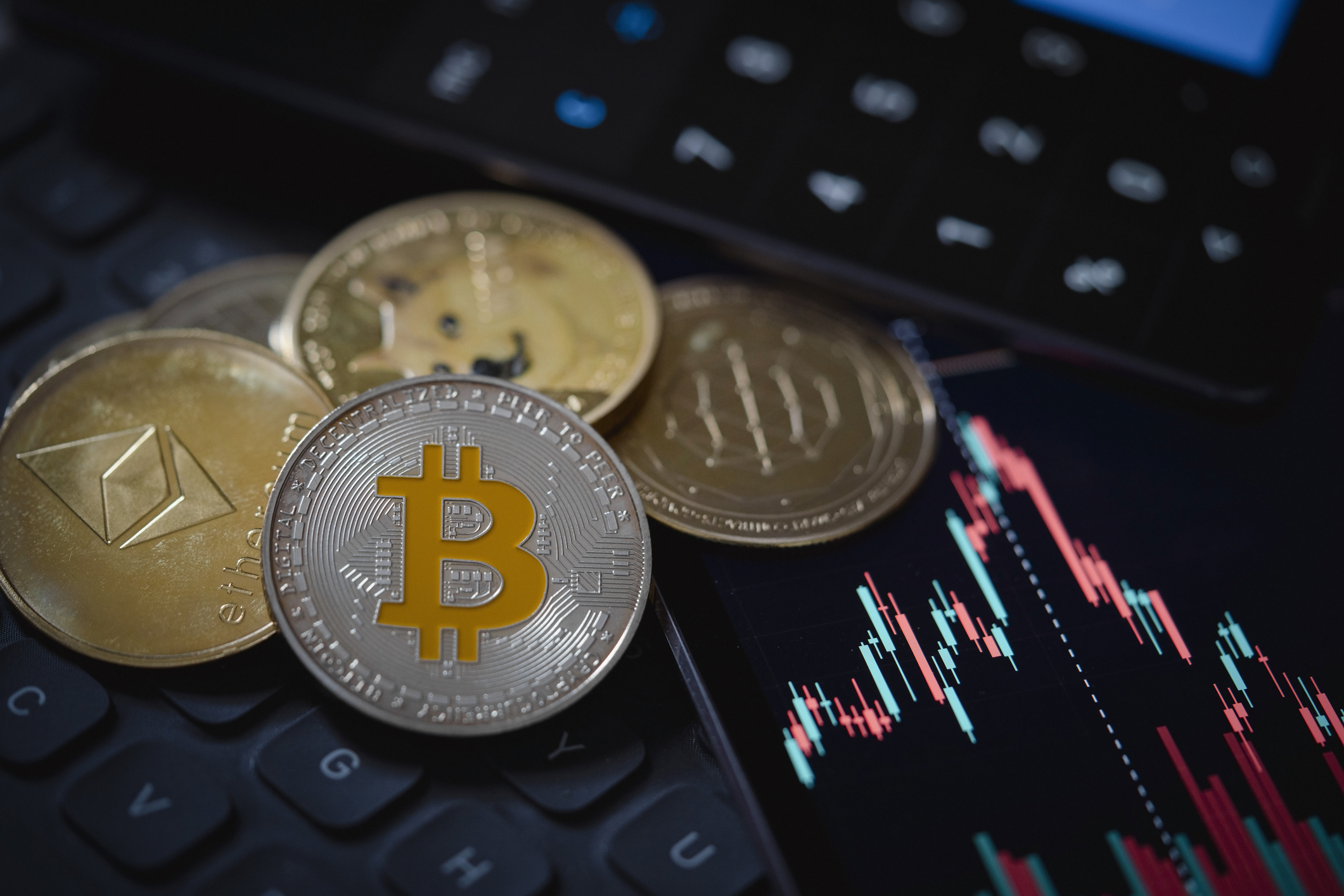

Price discovery is a live negotiation you witness in every tick, where the bid and ask grind toward consensus. You see aggressive orders hit the tape and move prices instantly, while your own limit orders add depth and patience to the market. In liquid names, real-time pricing (RTP) shifts with new information and the shape of the order book, a core part of market microstructure you can read like a map. Liquidity and spread dictate how much your order slippage costs versus a benchmark like VWAP, and understanding this lets you time entries and exits with precision. Now consider how this dynamic process differs from static valuation models.
What Is Price Discovery and How Does It Work?
If you want to know where an asset’s price truly comes from, you must watch the crowd, not just the headlines.
As a senior market analyst, I can tell you that price determination isn’t a static calculation; it’s a live, breathing conversation where every buy order and sell order contributes to a consensus.
This is price discovery: the real-time interaction where buyers and sellers find a meeting point.
In a liquid market, this happens continuously, with bids and asks constantly adjusting to news and emotional response.
Think of it like a busy auction; a Designated Market Maker’s job is to bridge the gap between the crowd and the opening price.
Your edge comes from understanding this shifting flow, not just static valuation models.
The Core Forces of Supply and Demand in Price Formation
You watch supply and demand settle into balance, where bid-ask interactions define the immediate price you see. When buyers outnumber sellers, prices move up to clear the market, and the opposite pressure pulls them down.
This constant equilibrium dance, driven by new information and liquidity, is what truly lets you ascertain the fair value in real time.
Supply Demand Balance
Supply and demand remain the unchallenged engine of price determination, with your portfolio’s performance hinging on how these forces interact in real time.
When buyer urgency outpaces available inventory, prices climb, and when sell orders overwhelm buyers, the market exerts downward pressure until balance is found.
You see this equilibrium when supply meets demand, setting a fair market price.
The asset’s scarcity or abundance, shaped by participant risk attitudes and information flow, dictates this balance.
Price unveiling reveals who controls the price—the dominant side determines whether you face a buyer’s or seller’s market.
This shifting state is the bedrock of your trading decisions, translating abstract forces into actionable price levels.
Bid Ask Interactions
The active heartbeat of market pricing is felt right in the bid-ask spread, the perpetual gap between what a buyer will offer and a seller demands. You see this gap narrow in liquid, large-cap NYSE stocks—often to a penny—as uncertainty drops. Market makers and high-frequency trading systems constantly refresh quotes to keep the stream flowing. You should know these forces:
- Liquidity providers posting limit orders add depth to the book.
- Aggressive market orders cross the spread to take that liquidity.
- Order size matters: a large buy order can sweep multiple ask levels, pushing price up.
- Volatility widens the spread, signaling greater risk. This continuous battle, where VWAP and real-time pricing (RTP) emerge from microstructure, is your true signal.
Market Equilibrium Dynamics
When buyers and sellers meet, their tug-of-war carves out a price that sticks. You watch this fluid dance unfold on any exchange, where fresh data and shifting risk create a flood of orders. Your supply and demand curves intersect in real-time, setting the equilibrium price.
In auction venues like the NYSE, the highest bid matching the lowest ask isn’t just a trade; it’s consensus being born. Unlike static valuation models, this is a live, market-driven process. Liquidity and trading rules shape how quickly this fair price emerges, turning chaos into the clear signal you act upon.
How Mechanics and Transparency Shape Market Prices
You’ll see that auction mechanics and global transparency are the twin engines of price discovery.
When you trade, you aren’t just reacting to price; you’re participating in a system where electronic order books and Designated Market Makers (DMMs) help stabilize volatility, as seen during an IPO like SHLX.
Ultimately, transparent price indications—whether for a one-lot or a 100-lot—ensure that you trade on the same efficient price, giving you confidence that the market is digesting information, not just reacting to it.
Auction Environment Dynamics
Through a transparent auction mechanism, the NYSE DMM’s systematic probing evolves an initial offering price into a true market-clearing value.
You see this when the DMM injects price points into the electronic order book, gauging buy-side and sell-side interest before a stock opens. This real-time coordination with the underwriter’s lead floor trader forges a consensus.
For SHLX, this process took minutes after the 9:30 a.m. open, moving the price from $23.00 to a $32.00 opening—nearly a 40% premium. The resulting price wasn’t a guess; it was an uncovered value. The key mechanisms of this environment are:
- Real-Time Visibility: All bids and offers are displayed globally, creating a level playing field.
- Deliberate Probing: The DMM tests depth, attracting contra-side interest before setting a final price.
- Volatility Suppression: Prioritizing uncovering over speed reduced SHLX’s listing day volatility by 37% versus Nasdaq.
- Consensus Building: Continuous updates coordinate the crowd with the underwriter’s lead.
This approach yielded a trade range of just $31.50 to $33.65 on day one—a stark contrast to the chaos of an unfiltered open. You trade an uncovered price, not a guess.
Global Transparency Effects
When you trade on a global exchange, you’re no longer looking at a local pond but a shared ocean where waves from one continent instantly touch another. This constant flow forces price finding to become a real-time race.
You see the same electronic quotes for a retail one-lot as an institution’s 100-lot, so your order gets a fair price instantly. However, this visibility has a trade-off. Block traders must hide their size, as revealing large positions can move the market against them before they execute.
This transparency, while efficient, amplifies volatility when big news hits, making markets react faster but sometimes more violently to global supply and demand shifts.
What Factors Influence Price Discovery Sensitivity?
- Liquidity depth and order flow
- Funding and execution costs
- Regulatory and rule-based constraints
- Information transparency and venue data
Price Discovery vs. Valuation: Key Differences and Uses
Price determination is instantaneous, using real-time transaction data and auction-like interaction. It reflects the collective, shifting mood of the market at a specific moment.
Valuation is a deliberate, model-based exercise that arrives at an intrinsic value, which is often more stable.
You use this contrast to find trading opportunities. If your valuation model suggests a company is worth significantly more than its current market price, you’ve identified a potential gap.
This gap is what you act on, seeking execution strategies that capitalize on the difference.
How Traders Apply Price Discovery to Execution Strategies
As you seek the best possible execution, you start by directly probing the market’s microstructure. You dip your toes in with small orders to read the bids and offers, which is exactly what the NYSE DMM does to establish a fair opening price during an IPO like SHLX. Real-time quotes and RTP from screen data and market orders guide your entries and exits as prices grind toward equilibrium.
You gauge liquidity to choose between market and limit orders: continuous detection makes market orders reliable, while illiquid books demand limits to tame wide spreads. After listing, you digest DMM signals and volatility cues to refine fair value.
- Probe the book with small orders to read depth.
- Time entries using live bids, asks, and RTP.
- Choose market vs. limit orders by liquidity.
- Compare outcomes to valuation models for alpha.
Conclusion
You see price determination as a live auction shaped by liquidity and order flow, not static models. VWAP reveals the fair value trail, while RTP and market microstructure show how aggressive orders move price. Your edge comes from reading auction mechanics, choosing limit or market orders wisely, and timing execution around liquidity shifts to capture value where others chase noise.