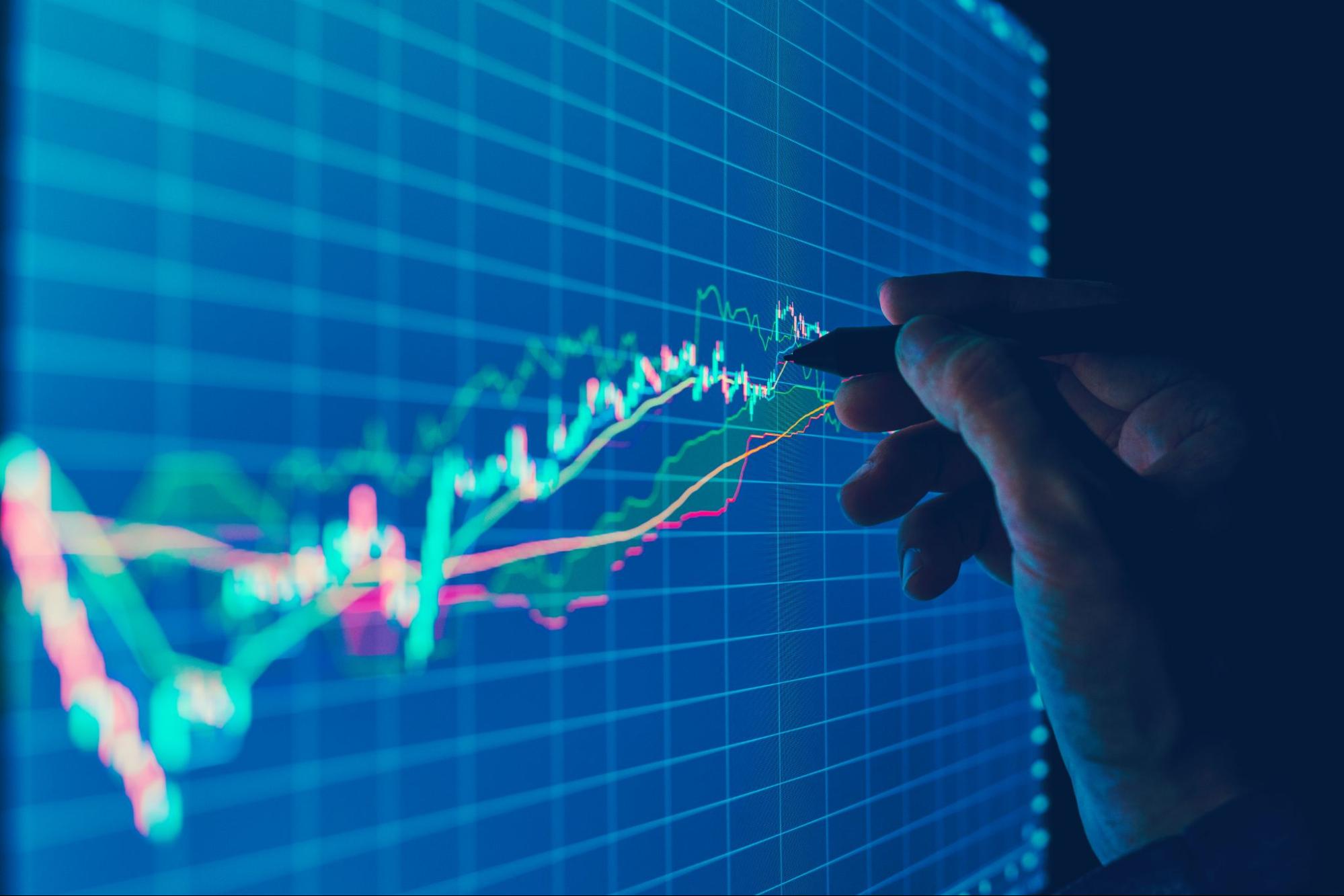

Economic news shocks markets because you’re watching traders rapidly reprice risk when CPI or payroll data drops. A hot inflation print like March 2023’s 8.5% CPI spike can instantly flip rate hike odds, tanking Nasdaq futures 3% in minutes. But you’ll also spot asymmetrical plays—weak retail sales punishes consumer discretionary stocks while lifting defensive utilities. That March 2023 banking crisis? Panic selling cratered regional bank ETFs 30% before smart money bought the dip. Learn where algos overreact versus where fundamentals still rule.
Key Economic Indicators That Move Markets
Imagine waking up to headlines screaming “CPI jumps 8.5%” or “Fed hikes rates again.” Markets instantly react—bond yields spike, stocks wobble, traders scramble. You’ll see this volatility because inflation reports like the Consumer Price Index (CPI) dictate expectations for borrowing costs. When the Federal Reserve raises interest rates to combat inflation, companies face higher debt expenses, squeezing profit margins.
Nonfarm payrolls also swing markets—a stronger-than-expected jobs report (say, 209,000 new positions) signals economic strength, elevating the dollar but spooking bond investors fearing tighter monetary policy. Unemployment rates below 4% often push wages higher, fueling inflation fears.
Even GDP revisions matter: a drop from 2.4% to 1.6% growth can trigger selloffs. Retail sales data reveal consumer health—weak numbers hint at recession risks. These indicators shape how billions shift across asset classes daily.
The Psychology Behind Market Reactions to Data Releases
Markets don’t just respond to economic data—they react to how investors interpret it. When the CPI or jobs report drops, you’re not just seeing numbers—you’re witnessing collective psychology in action.
If inflation comes in at 3.1% instead of an expected 3.0%, markets might swing wildly because traders fear being wrong-footed. Herd behavior amplifies moves: once a few big players adjust positions, others panic and follow.
Confirmation predisposition plays a role too. Bulls cling to positive retail sales, while bears fixate on weak manufacturing data, each side filtering facts to fit their narrative.
Unexpected beats or misses trigger outsized reactions—a 0.5% deviation from consensus can spark a 2% market swing. You’re trading perceptions, not just spreadsheets.
Strategies to Capitalize on Short-Term Market Swings
While markets swing on psychology, short-term traders don’t just ride waves—they hunt them. You can scalp profits by identifying rapid price shifts around economic releases—like buying S&P 500 futures if CPI data undershoots forecasts, then exiting within 30 minutes.
Set tight stop-losses at 0.5% below entry to limit downside when volatility backfires.
Pair news arbitrage with technical tools: if EUR/USD breaks resistance on strong EU jobs data, confirm momentum with RSI readings above 50 before holding past the initial spike.
Track sector ETFs for asymmetry—soft retail sales might tank consumer discretionary stocks but lift utilities as traders rotate defensively.
Build a watchlist of high-beta assets (gold, tech stocks) prone to exaggerated reactions, ready to pivot when headlines drop.
Timing the Market: Risks and Rewards of News-Driven Trades
News-driven trades can amplify gains quickly, but they’re a double-edged sword. You might catch a 5% stock jump if you buy before positive jobs data drops, but mistiming the same report could trigger a 3% sell-off within minutes. High-frequency systems dominate these reactions, leaving manual traders scrambling.
Liquidity evaporates when everyone rushes the exits at once. Even accurate predictions falter if markets “price in” expectations early. You’re not just betting on the news—you’re gaming how others will misinterpret it.
Slippage wipes out profits when volatile spreads widen. Stick to strict stop-loss limits, and never risk more than 2% of capital per trade.
Remember: fast money tempts, but discipline keeps you alive.
Case Studies: Historic Economic Events and Market Responses
When Lehman Brothers collapsed in 2008, the S&P 500 plunged 20% in ten days as panic overwhelmed rational pricing. Investors dumped assets indiscriminately, exposing how systemic risk amplifies losses during liquidity crunches. By March 2009, the index bottomed at 666—a 57% drop from its 2007 peak.
Then consider March 2020: COVID-19 fears erased $3 trillion from U.S. equities in weeks. But the Fed’s unparalleled stimulus sparked a 68% rally in the S&P 500 within a year. These extremes show how markets swing between fear-driven selloffs and policy-fueled recoveries.
You’ll spot similar patterns in the 1987 Black Monday crash (-23% in a day) or the 2011 U.S. debt ceiling crisis (-17% in three weeks). Each event teaches you to distinguish transient shocks from structural shifts.
Conclusion
You’ve seen how CPI surprises swing markets by 2-3% intraday and payroll shifts spark sector rotations—weak retail sales lifting utilities, hot jobs data sinking bonds. Traders front-run Fed expectations, but high-frequency algos flip prices before humans blink. Stay agile: use tight stops on EUR/USD spikes after inflation prints. Remember, 8.5% CPI prints crush growth stocks but lift energy ETFs. Panic selloffs often reverse—smart money bought March 2020’s 34% S&P plunge.